Clean and Safe Water Projects: UNICEF's Mission
Learn more about UNICEF's lifesaving work improving water, sanitation and hygiene services for children and families in over 100 countries — and how to help.
UNICEF provides safe water, sanitation and hygiene services in over 100 countries
Water is life. But when water is unsafe and sanitation nonexistent, water can kill.
Despite significant gains since 2015, some 2.1 billion people — one-quarter of the world's population — still lack access to enough safe, clean water to meet their everyday needs.
And children who lack access to safe water — especially those under age 5 — are especially vulnerable.
Unsafe water and diseases caused by poor sanitation and hygiene are one of the leading causes of death for this age group. In fact, children under 5 are 20 times more likely to die from diarrheal diseases associated with poor WASH access than from violence in conflict.
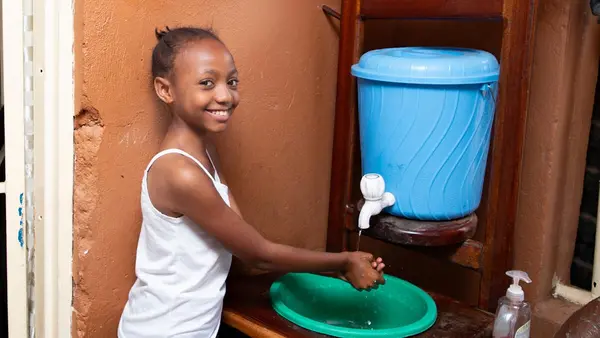
Handwashing is essential to fighting infectious diseases such as cholera. Yet 1.7 billion people worldwide still lack basic hygiene services at home, including 611 million without access to any facilities at all.
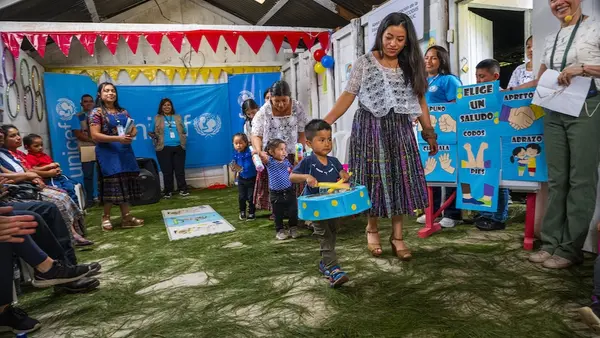
UNICEF works with partners in more than 100 countries to provide safe water, sanitation and hygiene (WASH) services to children, families and communities in need. Programs range from delivering safe water after a disaster to promoting proper hygiene practices in schools.
Advancing sustainable solutions is a top priority. Projects include drilling groundwater wells, installing solar-powered water pumps, building out pipe networks and setting up local water treatment and testing.
Related: World Water Week Helps Advance Safe Water Access for Every Child
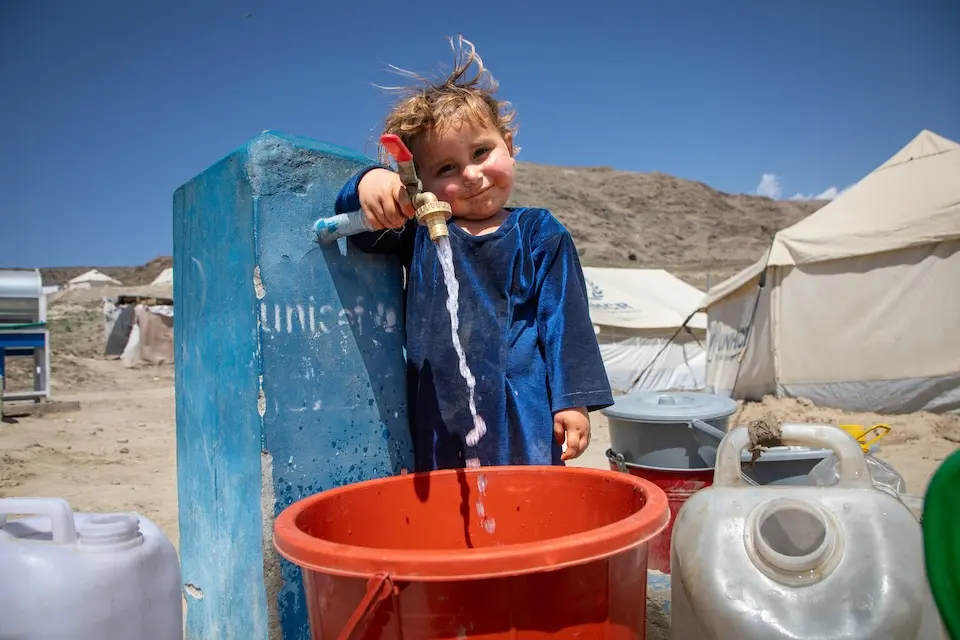
Core to UNICEF's mission around the world: securing adequate WASH for households, schools and health care facilities
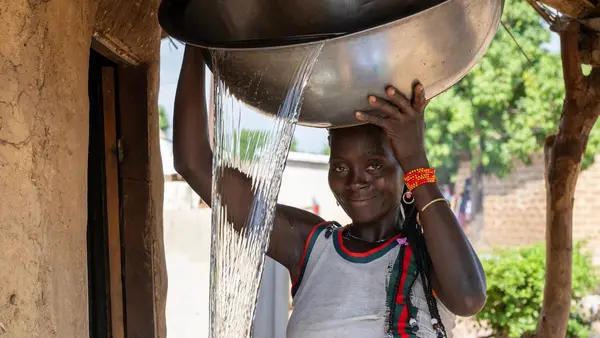
Through initiatives like Water Security for All, UNICEF seeks to ensure every child has access to equitable, climate-resilient and shock-responsive WASH services. Since 2000, UNICEF has helped more than 1.6 billion people access safe drinking water — be it piped into the home or drawn from a protected well.
In 2020, UNICEF accelerated critical WASH-related interventions at the onset of the COVID-19 pandemic, delivering vital supplies like soap and hygiene kits and installing handwashing stations and latrines to help contain the spread of infectious disease. These efforts reached 106 million people in 120 countries with what was the largest emergency WASH response at the time.
In 2025, UNICEF's direct support enabled 34 million people to access safe water, 17 million people to access at least basic sanitation and 15 million people to access basic hygiene services. More than 5,500 schools and 2,750 health care facilities received basic WASH services.
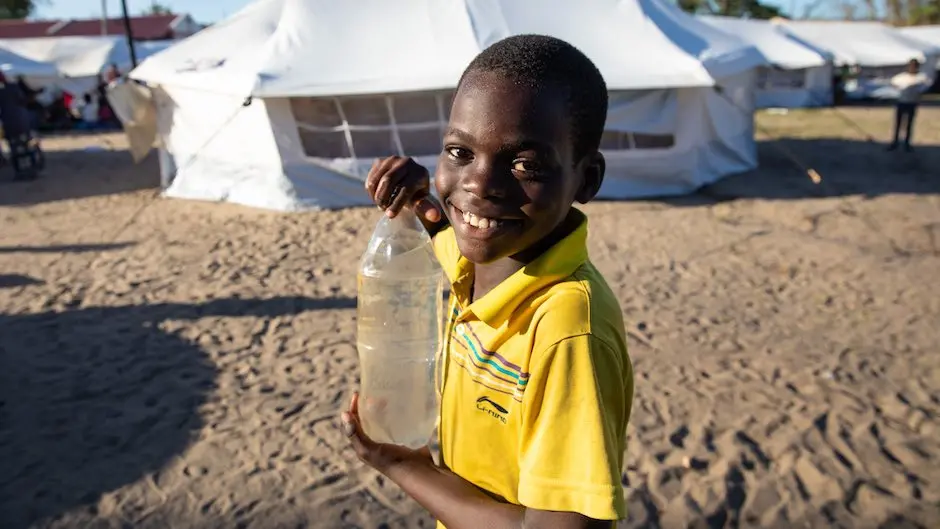
'Building back better' is a driving force behind UNICEF's response to all emergencies
UNICEF focuses on achieving water security for children through innovation, investment and collaboration, and by ensuring services are sustainable and resilient to climate shocks. When disaster strikes, and water systems are damaged, UNICEF works to build them back better. Ensuring WASH services are climate-resilient reduces disaster risks and arms communities against future disease outbreaks.
UNICEF also works with the World Health Organization and other partners to ensure that WASH becomes a permanent fixture in government plans, programs and budgets.
Learn more about UNICEF's commitment to ensuring safe water for every child